Save on Electrical Upgrades This Winter!
Improve Capacity With a High-Quality Electrical Subpanel Installation in Chicago, IL
If you’re looking for reliable electrical subpanel installation services in Chicago, IL, or nearby areas, GLP Electric LLC is the company that you can trust. We have over 20 years of industry experience, and we’re licensed, bonded, and insured. Our experts can provide commercial and residential electrical sub-panel installations that are designed to meet your specific requirements. We can install a subpanel in your garage, basement, or wherever else you need it. With our sub-panel installation services, you can give your property the extra power that it needs.
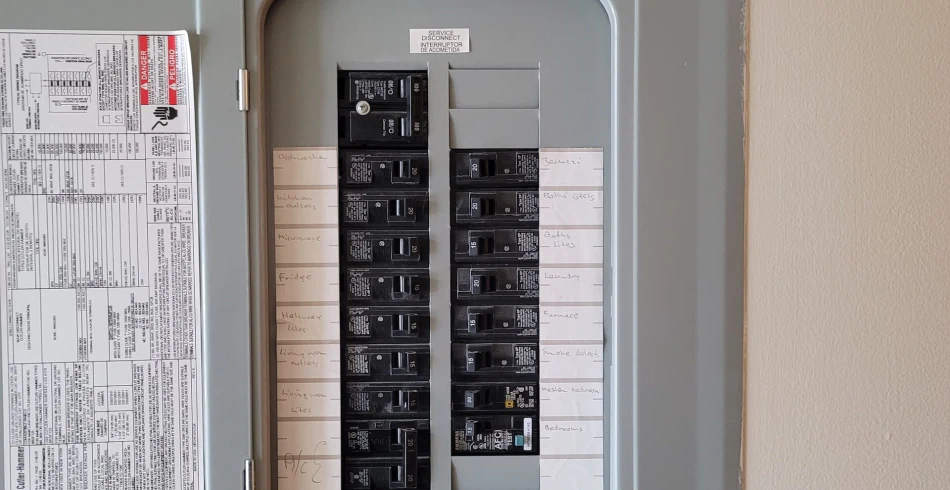
Get More Out of Your System With a Modern Subpanel
Proper preparation before hiring a contractor ensures your electrical subpanel project goes smoothly and safely. It helps you avoid costly mistakes, code violations, or electrical overloads. More importantly, it allows your electrician to deliver a system that’s efficient, scalable, and built to last.
With a well-planned subpanel installation, you can:
- Add more circuits without replacing your main panel.
- Improve power distribution to detached garages or home additions.
- Support high-demand appliances like EV chargers or HVAC units.
- Reduce breaker trips and power fluctuations.
A professional residential electrical sub-panel installation is an investment in safety and functionality. It ensures your home can handle modern electrical needs while maintaining compliance with all regulations.
Hiring a qualified contractor for your electrical subpanel installation isn’t just about getting more power; it’s about ensuring reliability, efficiency, and peace of mind. By preparing ahead of time, evaluating your load, choosing the right panel size, securing permits, and selecting experienced professionals, you set the foundation for a successful project.
Whether you’re expanding your home, adding a new workspace, or upgrading your electrical system, a properly installed electrical subpanel makes all the difference. Work with trusted electricians who specialize in subpanel wiring and subpanel installation to ensure your system is safe, future-ready, and built to power your home for years to come.
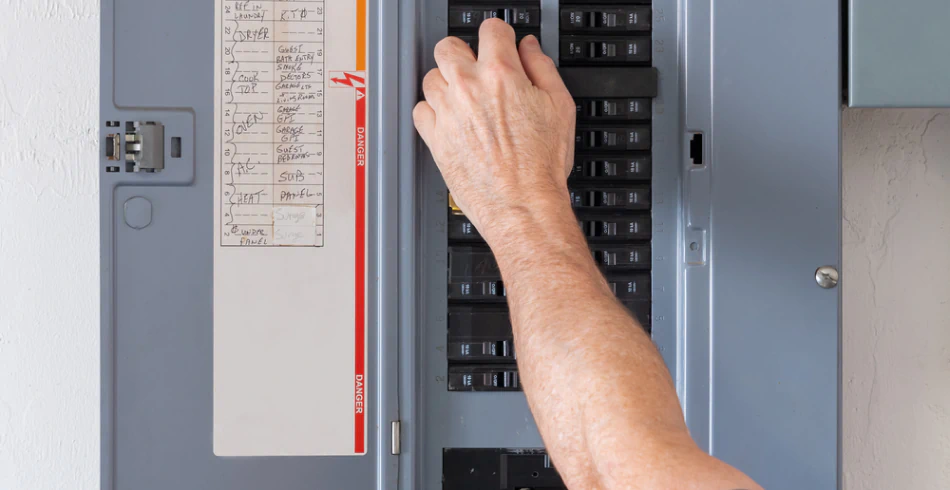
Install Your Subpanel With a Professional Electrician
If you want to ensure that your home’s power distribution is safe and effective, get in touch with GLP Electric LLC. We can provide you with the electrical subpanel installation services you need to ensure that your property’s electrical system is reliable. Our services are available to clients in Chicago, IL, and nearby areas. Contact us today to learn more.
10 Things to Prepare Before Hiring a Sub-Panel Installation Contractor
Upgrading your home or business’s electrical system with a subpanel installation is a smart way to expand power capacity, improve safety, and enhance convenience. A subpanel, also known as an electrical subpanel, acts as an extension of your main service panel, providing additional circuit space for new rooms, appliances, or detached buildings.
Whether you’re planning a remodel, adding a workshop, or installing high-demand equipment, proper preparation is essential before hiring a contractor for electrical subpanel installation. Here are ten important things to prepare before starting your project.
1. Understand the Purpose of a Subpanel
Before hiring a contractor, it’s crucial to know why you need an electrical subpanel installation. Subpanels are typically used when your main electrical panel is full or located far from new circuits. They help distribute electricity more efficiently by shortening wire runs and reducing strain on your main panel. Knowing the purpose, whether it’s for a home addition, garage, or outdoor space, helps your contractor design the right setup and estimate costs accurately.
2. Assess Your Current Electrical Load
Your home’s electrical system can only handle a specific amount of power. Before adding a subpanel, you need to evaluate your current load capacity. Overloading your system can cause breakers to trip or wires to overheat. A licensed electrician can perform a load calculation to determine whether your service panel can support an additional electrical subpanel safely. Preparing this information early saves time during the installation process.
3. Determine the Subpanel Size and Location
Choosing the right subpanel size depends on how many new circuits you plan to add and how much power each will draw. Common sizes range from 60 to 100 amps for residential use. The subpanel’s location also matters; it should be easily accessible but not near water sources or flammable materials. Discussing these details with your electrician ensures your subpanel installation meets both convenience and safety standards.
4. Plan for Future Electrical Needs
When planning your electrical subpanel installation, think ahead. Are you planning to add a hot tub, EV charger, or outdoor lighting later? Installing a slightly larger subpanel now can save you from costly upgrades later. Communicate your long-term plans with your contractor so they can size your panel accordingly and leave space for future circuits.
5. Budget for the Project
Costs for an electrical sub-panel installation can vary based on amperage, wiring complexity, and distance from the main panel. Preparing a realistic budget ensures you can cover not only the subpanel itself but also labor, materials, and potential panel upgrades. Some older homes may require main panel upgrades before adding a subpanel, so it’s wise to have a contingency fund.
6. Check for Permits and Code Requirements
Most jurisdictions require permits for any electrical subpanel or wiring project. Electrical work must comply with the National Electrical Code (NEC) and local building regulations. Before hiring a contractor, contact your local building department to learn about the required permits and inspection process. Reputable electricians will typically handle these permits for you, but knowing the process ensures everything is done legally and safely.
7. Inspect the Main Panel Condition
Your main electrical panel must be in good condition before adding a subpanel. Corrosion, loose connections, or outdated fuses can compromise safety and performance. Have a licensed electrician inspect your main panel before installation. If it’s outdated or overloaded, they may recommend an upgrade before proceeding with the electrical subpanel installation to ensure system compatibility and safety.
8. Choose a Qualified Contractor
Hiring the right professional is one of the most critical steps. Look for licensed and insured electricians experienced in subpanel installation and wiring. Ask for references, verify credentials, and read reviews. A skilled contractor will explain the installation process clearly, provide transparent pricing, and ensure all work meets code standards. Never settle for unlicensed or inexperienced electricians when dealing with electrical infrastructure.
9. Prepare the Work Area
Before your contractor arrives, clear the area around your electrical panel and the planned subpanel location. Remove furniture, storage items, or obstacles to provide easy access. If the installation area is outdoors or in a basement, ensure it’s well-lit and dry. A clean workspace allows electricians to complete your residential electrical subpanel installation efficiently and safely.
10. Understand the Installation and Testing Process
Once you’ve selected a contractor, take time to understand how subpanel wiring and testing will be performed. The process typically includes:
- Shutting off power from the main panel.
- Installing the subpanel and connecting feeder wires.
- Running individual circuit wires to the new panel.
- Labeling each circuit for clarity.
- Testing voltage and load balance to ensure proper operation.
Your contractor should explain each step, answer your questions, and provide documentation for future maintenance or inspections. Understanding the process helps you stay informed and confident throughout the project.
Prepare Your Property for Future Upgrades!
Our electricians are ready to help you install a subpanel that will provide you with the power you need. Get started with a free estimate.